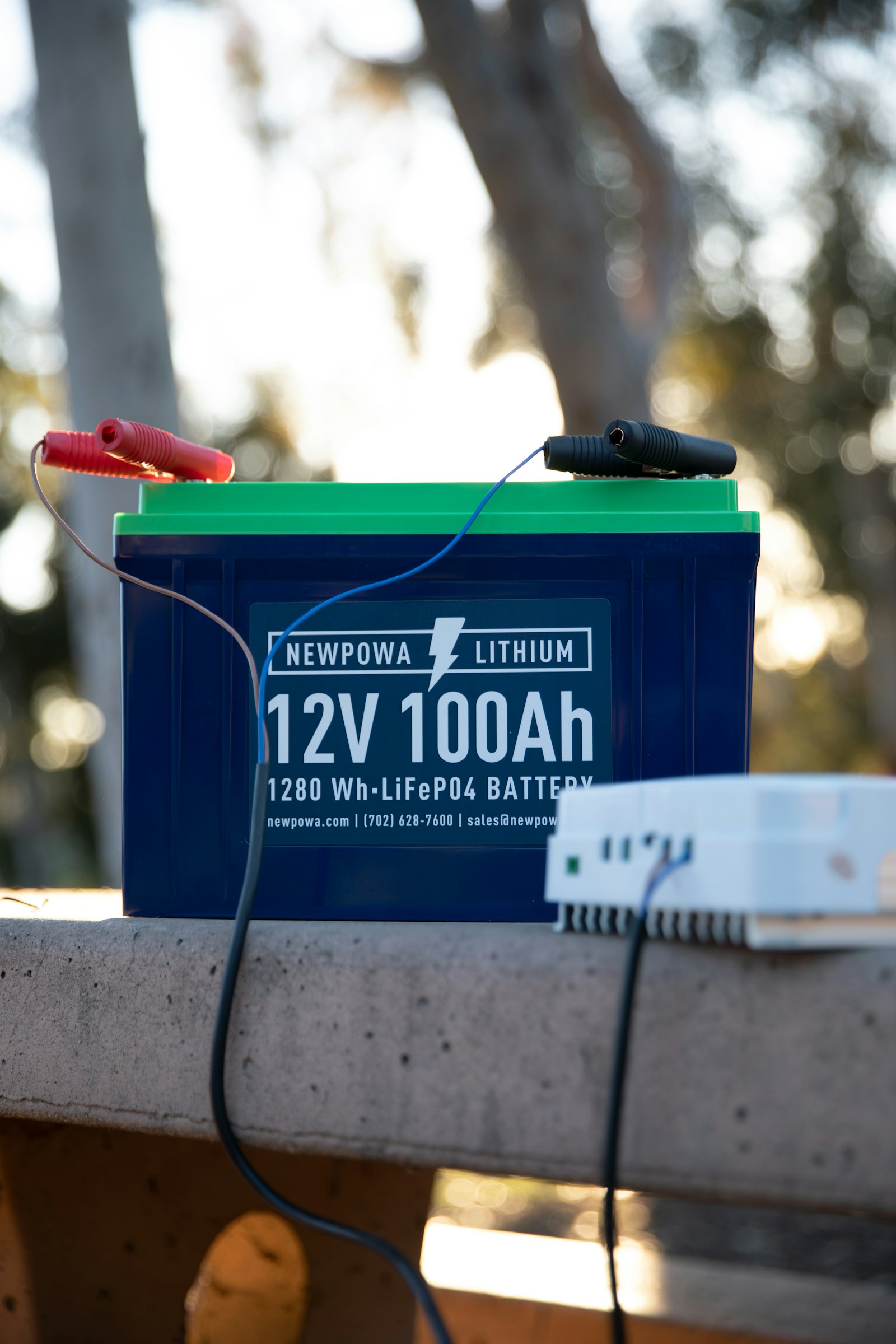
A dead battery isn’t always a dead battery — often it’s just deeply discharged and a few hours on a charger brings it right back. Here’s how to charge one safely, and how to know whether it’s worth saving or it’s time for a new one.
What you need
A smart battery charger/maintainer — a microprocessor-controlled charger that recharges the battery and then automatically floats it without overcharging. A widely trusted pick is the NOCO Genius charger, which is spark-proof and supports standard, AGM, and lithium batteries. To match the amperage to your battery, see our guide to the best car battery chargers & maintainers.
Step-by-step: how to charge a car battery
Park and power off. Engine and accessories off. Charging in the car is fine for a normal top-up.
Connect in the right order. Red (+) clamp to the positive terminal first, then black (–) to a clean unpainted ground — with the charger still unplugged from the wall.
Set the mode and amperage. Plug in, choose your battery type, and pick a rate: ~4–5 A to revive a dead battery, 1–2 A for slow maintenance.
Let it charge fully. A deeply discharged battery can take hours to overnight. A smart charger shows progress and won’t overcharge.
Float / maintain (optional). Leave a smart charger connected and it switches to a maintenance charge to hold the battery full.
Disconnect and verify. Unplug from the wall, remove black then red, and start the car.
Is the battery actually holding? Check the voltage
Charging is half the story — you want to know the battery (and alternator) are actually doing their jobs. AXLY.pro is a free iPhone app that pairs with a Bluetooth OBD2 adapter and reads live battery voltage:
A healthy, charged battery reads about 12.6V at rest.
Running, it should sit around 13.8–14.7V — confirming the alternator is charging. If it doesn’t climb, the alternator is the culprit and the battery will keep dying.
AXLY also reads low-voltage codes like P0562/P0563 and explains them for your exact vehicle, and its garage log lets you note when you last charged or replaced the battery.
AXLY.pro is a free iPhone app that pairs with any Bluetooth OBD2 adapter to read check engine codes, explain them in plain English, and show live engine data.
How long does it take to charge a dead car battery?
On a typical 4–5 amp smart charger, a deeply discharged battery takes several hours to overnight to reach full. A 1–2 amp maintenance charger is much slower and is meant for keeping a healthy battery topped off, not reviving a dead one.
Can I overcharge my car battery?
Not with a modern smart (microprocessor) charger — it tapers the charge and switches to a float mode automatically, so you can leave it connected. A cheap manual charger left on too long can overcharge and damage the battery.
What's the difference between a charger and a maintainer?
A charger refills a depleted battery; a maintainer keeps an already-charged battery topped off without overcharging. Most modern smart units do both — recharge, then float — which is why you can leave one on a stored or seasonal vehicle for weeks.
Do I have to disconnect the battery to charge it?
Usually no — you can charge most batteries while they're still in the car. Just connect red to positive and black to a clean ground, and keep the charger unplugged from the wall until the clamps are attached.
Why does my battery keep going dead?
If a freshly charged battery dies again, suspect an old battery that no longer holds charge, a parasitic drain (something staying powered with the car off), or an alternator that isn't charging. Checking the charging voltage — about 13.8–14.7V running — quickly rules the alternator in or out.
As an Amazon Associate, AXLY earns from qualifying purchases — at no additional cost to you.
Product links in this article are affiliate links; we only recommend gear we believe pairs well with the app.