


A properly inflated tire is the cheapest performance, safety, and fuel-economy upgrade your car has — and filling one takes about two minutes. The short version: find your car’s recommended PSI (it’s on a sticker in the driver’s door jamb, not on the tire), check the pressure cold, and top each tire up to that number with a portable inflator. Here’s the full walkthrough.
What you need
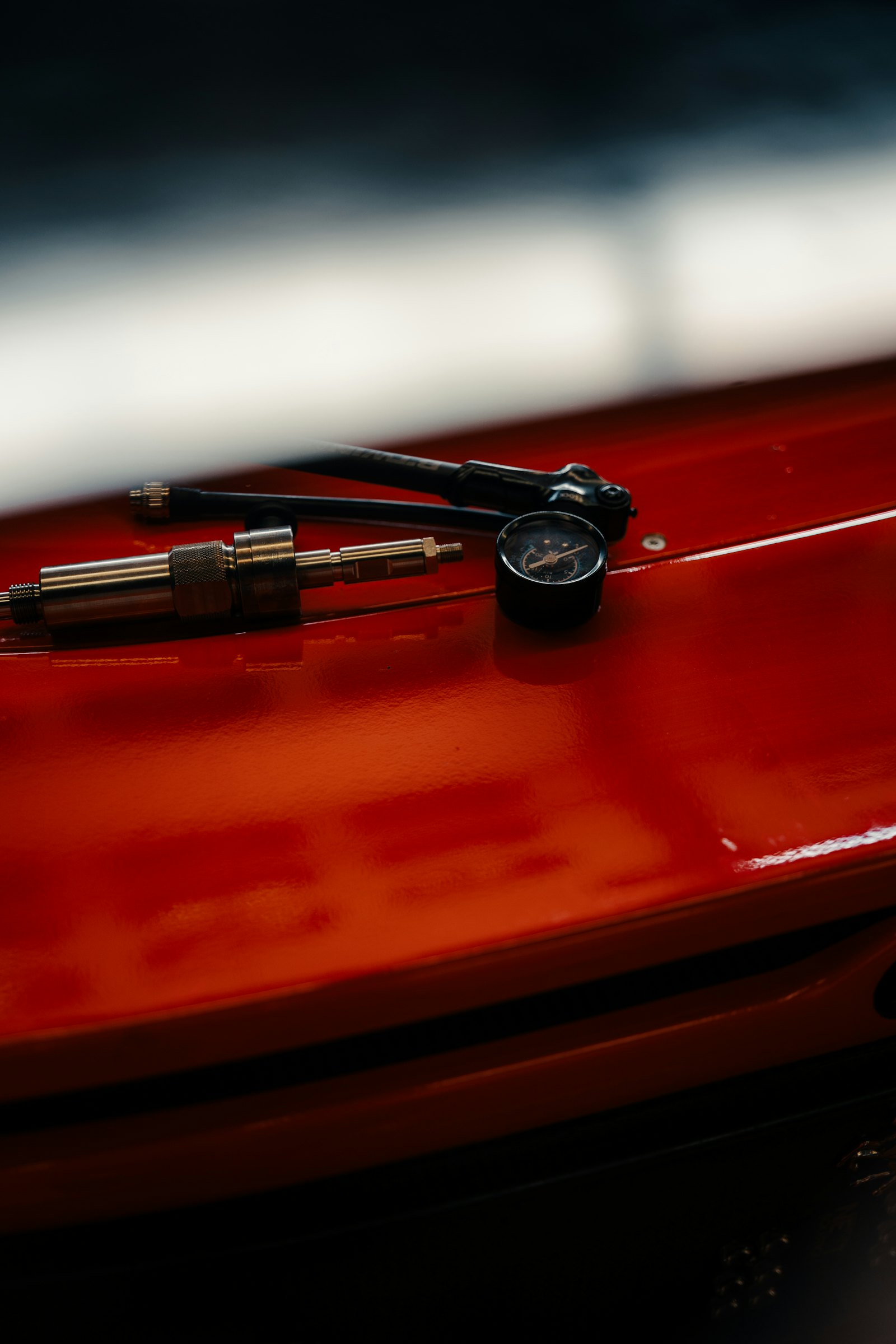
Just one thing: a portable tire inflator. A small 12V or cordless unit lives in your trunk and tops off a low tire in your driveway or on the roadside — no quarters, no hunting for a working gas-station pump. A reliable budget pick is the AstroAI portable tire inflator (it has a digital gauge and auto-shutoff). If you want to compare cordless vs. 12V and pick the right one for your vehicle, see our full breakdown in the best portable tire inflators.
A separate pencil or digital tire pressure gauge is handy too, though most modern inflators have an accurate gauge built in.
Step-by-step: how to fill a car tire
- Find your recommended PSI. Open the driver’s door and look at the sticker in the door jamb — it lists the factory cold tire pressure (usually 30–35 PSI). Use that number. Don’t use the bigger “max press” figure stamped on the tire sidewall — that’s the tire’s limit, not your car’s target. Not sure where to look? Ask AXLY the recommended tire pressure for your exact year, make and model and it’ll tell you.
- Check the pressure cold. Measure before you drive, when the tires are cold. Rolling down the road heats the air and adds a few PSI, so a warm reading looks higher than reality.
- Connect the inflator. Unscrew the valve cap, press the nozzle straight onto the valve stem until the hissing stops, and power the inflator from the 12V socket or its battery.
- Inflate to the target PSI. On a digital inflator, set your target and let auto-shutoff stop it. On a manual one, add air in short bursts and re-check the gauge so you don’t overshoot.
- Re-check and cap it. Confirm the final number, bleed a little air if you went over, and screw the valve cap back on. Repeat for all four tires.
- Reset the TPMS light. With every tire at spec, the low-pressure warning clears itself after a few minutes of driving.
A few tips that matter
- Cold means cold. “Cold” is before driving or after the car’s been parked a few hours — not after a highway run.
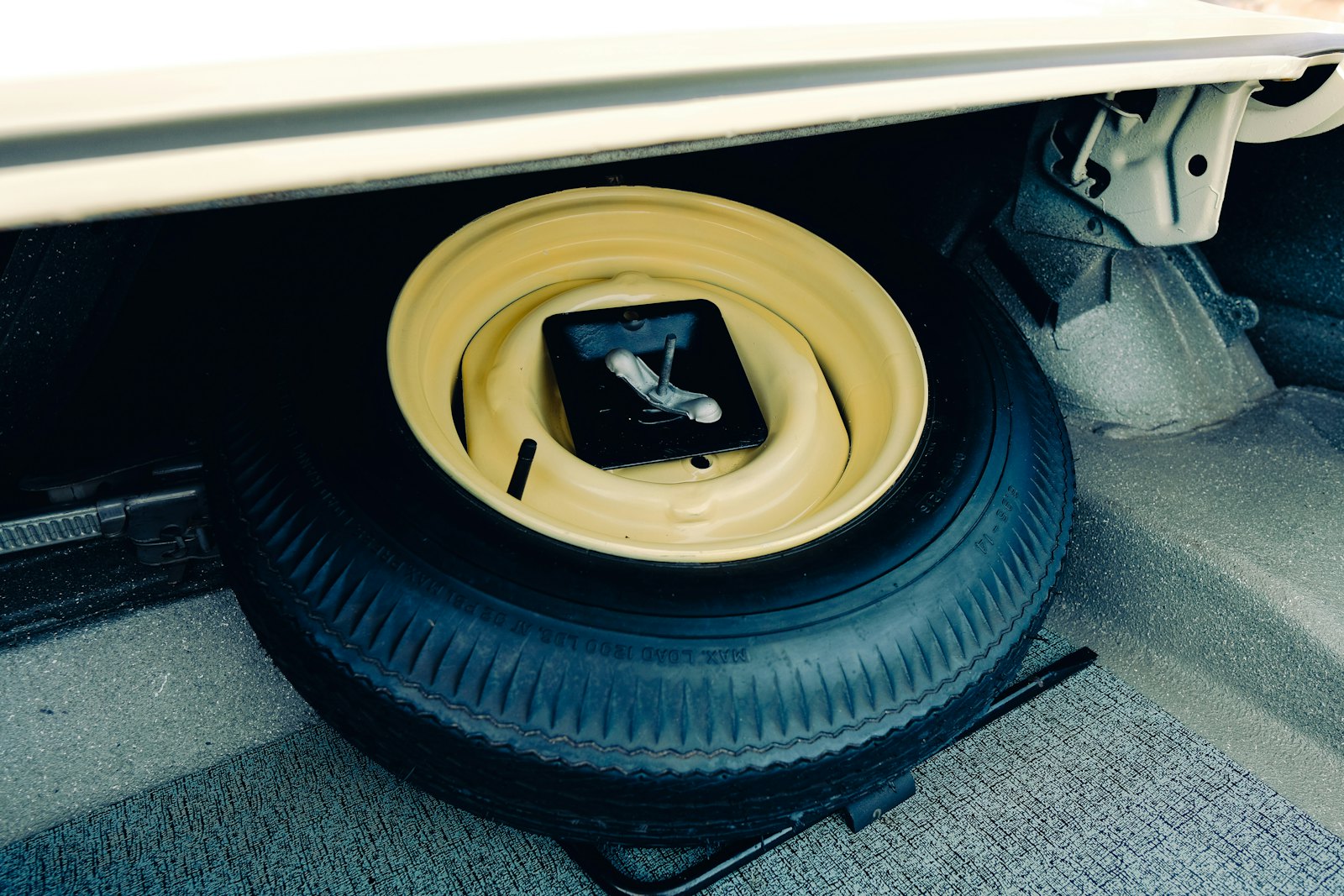
- Don’t chase the sidewall number. The sidewall “max” is often 44–51 PSI; running your tires that hard rides rough and wears the center of the tread.
- Watch the weather. Tires lose about 1 PSI per 10°F drop, so the first cold snap of the year is prime TPMS-light season — a quick top-off fixes it.
Where AXLY fits in
AXLY.pro is a free iPhone app for keeping your specific car dialed in. Two things help right here:
- Ask AXLY is a vehicle-aware assistant — ask it the factory tire pressure (or anything else) for your exact year, make and model and get a straight answer.
- Your AXLY garage keeps a maintenance log, so you can note when you last rotated or checked your tires and not lose track.
It’s free, works with any 1996-or-newer vehicle, and pairs with a Bluetooth OBD2 adapter when you want live engine data too. Download AXLY.pro free on the App Store.
Ready to stop relying on gas-station pumps? Grab a portable tire inflator for the trunk — it pays for itself the first time a low tire pops up on a cold morning.